

Is Botox Safe? What Skilled Treatment Changes
A raised brow, softened frown lines, or a fresher-looking forehead can look effortless when treatment is well planned. But the question behind every first appointment is the right one: is Botox safe? For most suitable adults, anti-wrinkle treatment with botulinum toxin can be safe when it is prescribed where required, correctly stored, accurately dosed, and administered by a qualified, experienced medical-aesthetics practitioner.
The product is only part of the safety picture. Your anatomy, medical history, treatment plan, and injector’s technique all matter. A low price or a quick appointment should never be the deciding factor when treatment involves a prescription-only medicine and the muscles that shape your expression.
Is Botox safe when administered professionally?
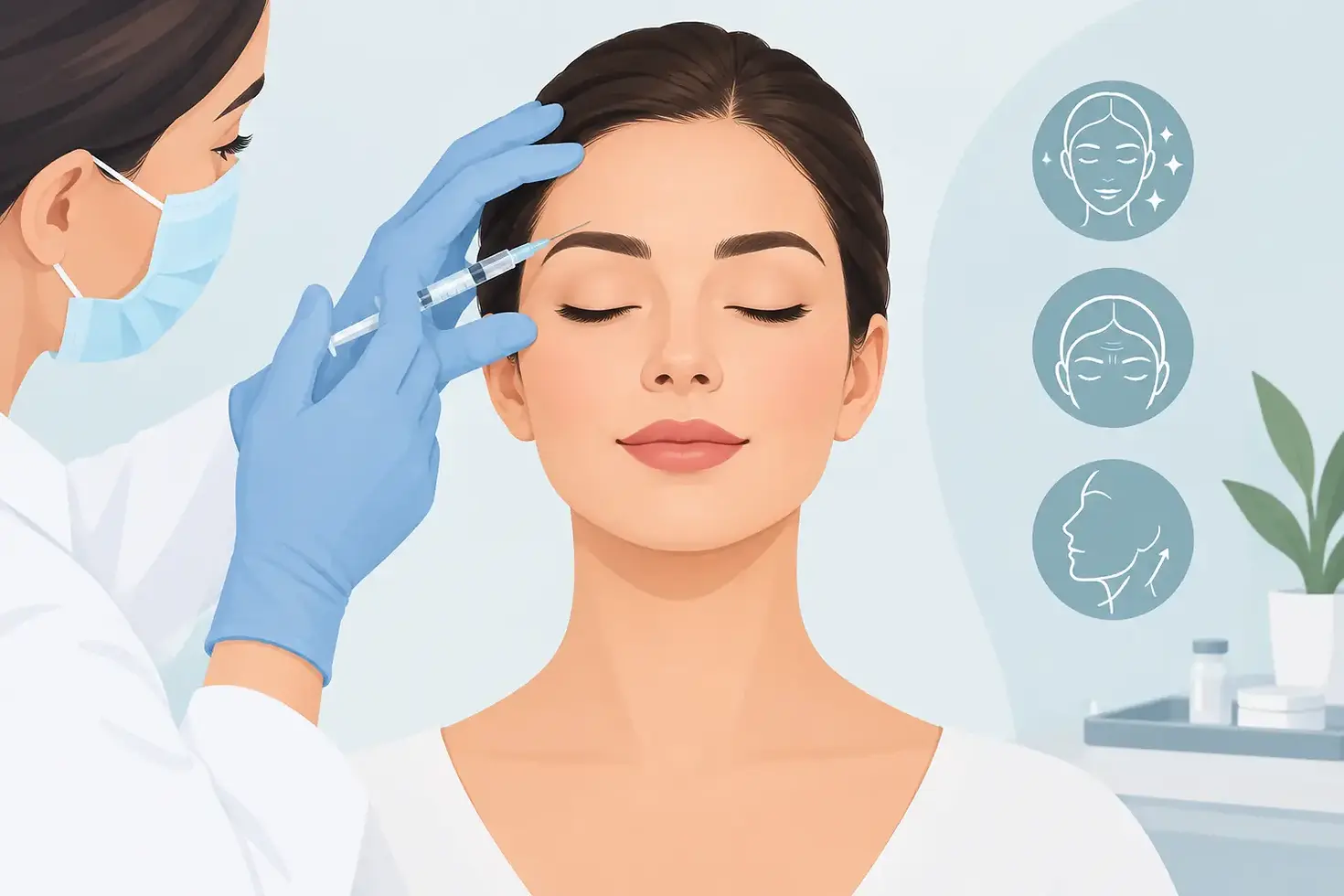
Botox is a brand name for botulinum toxin type A. In aesthetic medicine, it is used in carefully measured doses to temporarily relax targeted muscles. When those muscles contract less strongly, dynamic lines - such as frown lines, forehead lines, and crow’s feet - become softer.
Botulinum toxin has a long history of medical use, including for certain muscle conditions, migraines, and excessive sweating. Its established use does not mean it is risk-free, but it does mean practitioners have substantial clinical knowledge of how it works, how to select patients appropriately, and how to minimize complications.
Safety begins with using an approved product sourced through the appropriate medical supply chain. It also requires a practitioner who understands facial anatomy beyond a set pattern of injection points. Two people can have similar forehead lines but need very different placement and dosage to preserve natural movement, balance the brows, and avoid an overtreated result.
At Triggs & James Aesthetics, consultation-led treatment is central to this process. The aim is not simply to reduce movement. It is to assess how your face moves, discuss the result you want, and create a plan that respects your features.
What can affect Botox safety?
A safe experience is built before the first injection. During a proper consultation, your practitioner should ask about your health, medications, previous aesthetic treatments, allergies, and any history of reactions. They should also assess your facial movement at rest and in expression rather than treating every face in the same way.
Some people should postpone treatment or may not be suitable. This can include people who are pregnant or breastfeeding, have an active skin infection at the proposed injection site, or have certain neurological or neuromuscular conditions. A practitioner may also advise against treatment when there is a known allergy to an ingredient in the product or when medication and medical history raise concerns.
Be open about all medications and supplements, including blood-thinning medication, anti-inflammatory drugs, and recent antibiotics. Do not stop prescribed medication without advice from the clinician who manages it. Your aesthetic practitioner needs accurate information to make a responsible decision and explain whether temporary bruising or other risks may be higher for you.
The treatment area matters too. A skilled injector considers the depth, angle, location, and amount used at each point. Small differences can influence whether a result looks soft and refreshed or feels heavy, uneven, or less mobile than intended.
Why dosage is not a competition
More units do not automatically produce a better or longer-lasting result. An effective dose depends on muscle strength, facial anatomy, treatment area, sex, previous response, and the look you prefer. Someone with powerful frown muscles may need a different approach from someone seeking a subtle first treatment.
Conservative dosing can be especially sensible for first-time clients. It allows the practitioner to see how you respond before making future adjustments. The goal is an appropriate result, not the strongest possible result.
Common side effects and what they mean
Most side effects following anti-wrinkle injections are mild and temporary. You may notice small raised bumps at the injection sites immediately afterward, along with redness, tenderness, minor swelling, headache, or bruising. These commonly settle quickly, although bruising can last longer for some people.
Less common effects can include temporary asymmetry, a heavy forehead, a change in brow position, or eyelid droop. These effects are usually temporary, but they can be frustrating and may take time to resolve as the product wears off. This is one reason technical skill and a measured approach matter so much.
Rarely, botulinum toxin can affect muscles beyond the intended treatment area. Seek urgent medical attention if you experience difficulty breathing, swallowing, or speaking, significant weakness, or symptoms that feel severe or unusual after treatment. A reputable clinic will explain what to expect, provide aftercare guidance, and tell you how to contact the team if you have concerns.
It is worth separating normal adjustment from a problem. Botox does not work instantly. Initial changes may begin within a few days, with the full result usually assessed around two weeks after treatment. Judging symmetry too early can lead to unnecessary worry or premature additional injections.
Choosing an injector is the biggest safety decision
The internet makes anti-wrinkle treatment look simple: a few injection points and a smooth forehead. In reality, facial anatomy is complex. The same muscle can contribute to a frown, eyebrow position, smile, or eyelid movement. Treating it without understanding those relationships can compromise both safety and appearance.
Before booking, ask who will carry out your treatment, what qualifications and advanced training they hold, and whether they have experience with the specific area you want treated. Ask how they manage complications, whether they offer a review appointment, and what product they use. Clear, confident answers are a positive sign. Pressure to book immediately is not.
A professional consultation should feel collaborative. You should be able to say that you want movement, that you are worried about a frozen look, or that you have had an unsatisfactory result elsewhere. Those details shape the plan. Good practitioners welcome them.
Be cautious with treatments offered in non-clinical settings, heavily discounted packages, or providers who cannot explain the product, dose, aftercare, and risks. The lowest upfront cost can become expensive if the outcome is difficult to correct or requires months to wear off.
Aftercare supports a predictable result
Your practitioner’s own instructions should always take priority, as advice can vary according to the areas treated and your health history. In general, keep the area clean, avoid rubbing or massaging it unless specifically advised, and follow guidance on exercise, alcohol, makeup, and facial treatments after your appointment.
Do not schedule another procedure too quickly in the same area without checking first. Facials, massage, laser procedures, peels, and other injectable treatments may need to be timed carefully. Let every practitioner involved in your care know what you have recently had done.
Take clear photographs before treatment and at the review stage if your practitioner recommends it. They can help you see changes objectively and support more precise planning at future appointments. A natural result is often about consistency and careful refinement over time, rather than a dramatic change in one visit.
Botox safety is personal, not one-size-fits-all
Botox can be a safe and effective option for suitable patients, but it is never just a product decision. It is a clinical decision made with the right screening, advanced anatomical knowledge, reputable products, and honest conversation about what is achievable.
If you are considering treatment, bring your questions to a consultation and expect clear answers. The right practitioner will never make you feel rushed for wanting reassurance. Feeling informed is a good place to begin any aesthetic treatment.


Comments